

For small businesses
One system for every asset your business depends on
Sound familiar?
Teams feel the cost of disorganization fast
When records are scattered across inboxes, chat threads, and memory, reactive maintenance and missed vendor details cost real money.
Without iMaintain
The HVAC company's number is in someone's old email thread
Equipment warranty expired — nobody tracked it
Van #2 service was overdue by 4,000 miles before anyone noticed
New staff member has no idea what was done to the property last year
Vendor invoice is in a folder nobody can find
With iMaintain
Vendor contact, history, and prior invoices all attached to the job
Warranty expiry dates in iMaintain with reminder set
Fleet service due dates visible to the whole team with overdue flags
New staff opens iMaintain — full property history already there
Invoices attached to the maintenance record they belong to
Who uses it
Built for operators, not enterprises
iMaintain covers the full range of small business asset management — without the complexity or cost of enterprise software.

Landlords & rental properties
Small portfolios that need maintenance history, vendor records, and rental context organized by address.
See how it works
Turo hosts & small fleets
Hosts and operators keeping service, mileage, costs, and trip context straight for every vehicle.
See how it works
Landscaping & lawn care crews
Field teams managing trucks, trailers, mowers, and tools who cannot afford equipment downtime.
See how it works
Churches & faith communities
Churches that operate like small organizations and need campuses, vehicles, and facilities maintained across staff and volunteers.
See how it works
Real estate agents
Agents who want clients to have a living home record instead of a stack of folders after closing.
See how it works
Pet breeders & rescues
Breeders, shelters, and rescues keeping animal records, care schedules, health documents, and foster or handoff history visible to the whole team.
See how it works
Storefront operators
Shops and studios managing equipment, back-of-house spaces, and vendor work across one or two locations.
See how it works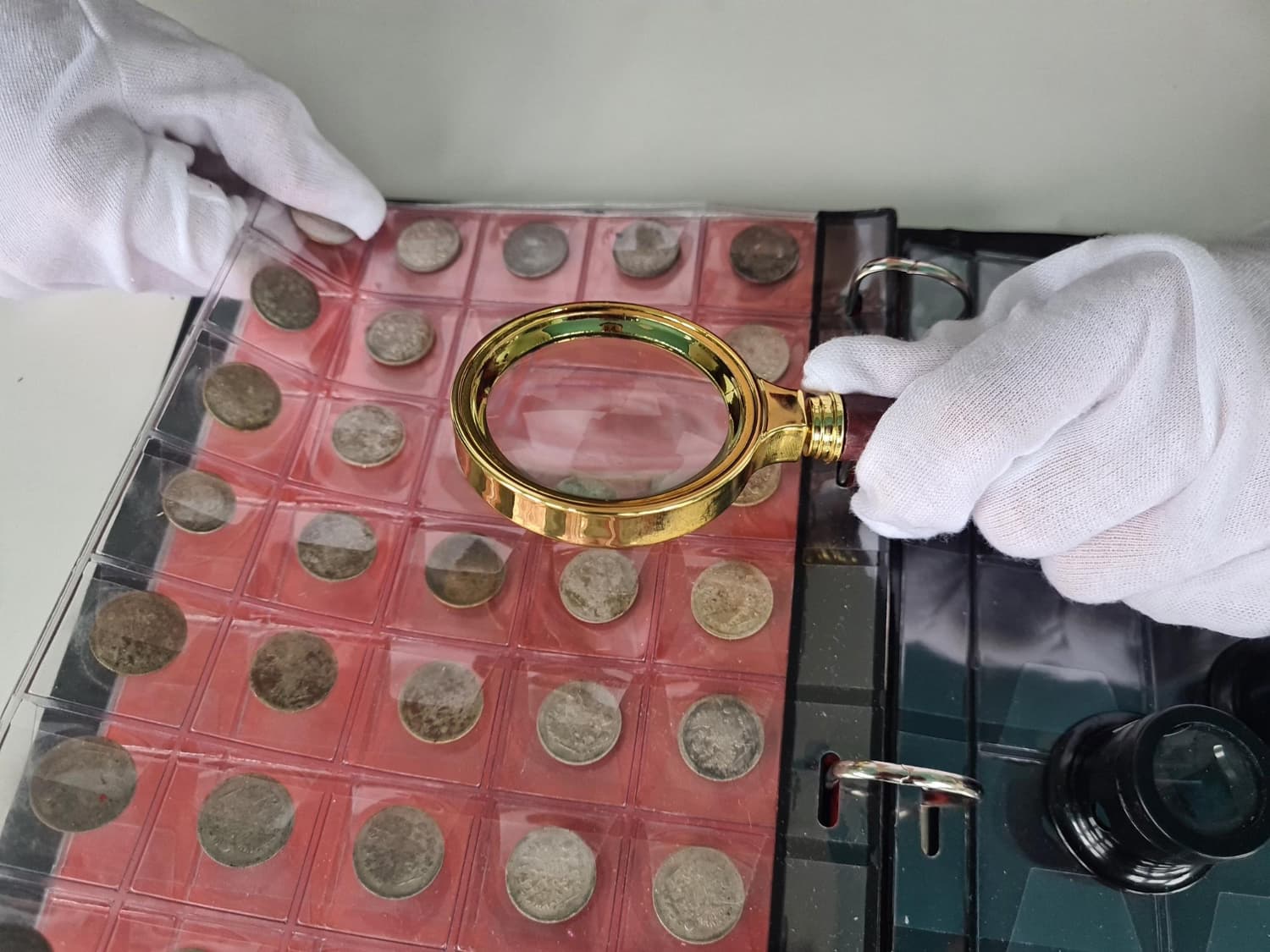
Collectors & resellers
People who need inventory, provenance, and value history organized across collections.
See how it worksProperties & locations
Track building upkeep, yards, storage space, vendor work, recurring maintenance, and facility history.
Equipment & assets
Purchase details, manuals, warranties, service notes, and replacement history for equipment and tools.
Vehicles & fleets
Service schedules, mileage tracking, documents, and operational history for trucks, vans, and work vehicles.
Vendors & contacts
Service providers, repair history, notes, and past work easy to reference.
Licenses & compliance
Business licenses, insurance certificates, and other compliance records with renewal dates and documents attached.
Recurring workflows
Create repeatable routines and keep responsibility visible across the team.
How setup works
Set up once. Stay organized every day.
Start with your main location and the assets your team relies on. Add structure without adding overhead.
Create your location and core assets
Set up your storefront, office, equipment, vehicles, or key operational assets so the business has one shared source of truth.
Assign ownership clearly
Give each task, routine, or area a named owner while keeping visibility for the rest of the team. Nobody wonders who is responsible.
Track work and vendors with context
Keep maintenance, repairs, vendor details, receipts, notes, and files connected to the right asset — not scattered across inboxes.
Build continuity over time
The more your team uses it, the easier it becomes to spot patterns, understand costs, and get new staff up to speed fast.
New team members can access the full asset history from day one — no handover gaps.
Ask Copilot
Your business records, instantly searchable
Who handled the last plumbing repair at the Oak Ave property?
Jim's Plumbing — March 2024. Invoice attached. Prior job in Sep 2022 also on record.
Which vehicles are overdue for service?
Van #2 is 3,200 miles past due. Van #1 is current. Cargo truck service due next month.
Is the POS system still under warranty?
Expires June 2025. Purchase receipt and warranty doc attached. Renewal worth planning.
What have we spent on the Maple St property this year?
$4,340 across 6 tasks. Largest: HVAC replacement March 2025 ($2,800).
When does our landscaping pesticide applicator license expire?
Expires October 31, 2026. State agriculture department listed as a provider with renewal reminders and the certificate attached.
Built on trust
Your data stays yours.
Four promises that don't change — no matter how you use iMaintain or how long you stay.
Privacy by default
Records kept secure, never sold or shared with advertisers.
Export anytime
Download your full records as a human-readable ZIP. No lock-in.
AI that doesn't train on you
Copilot uses your data to answer questions. It never trains on it.
Controlled sharing
Role-based access. Invite family or teammates with clear permissions.
Get started
Stop keeping it all in your head
One avoided repair easily pays for years of iMaintain. Start free and let your ownership record build itself from day one.
14-day free trial · No credit card · Export your data anytime