

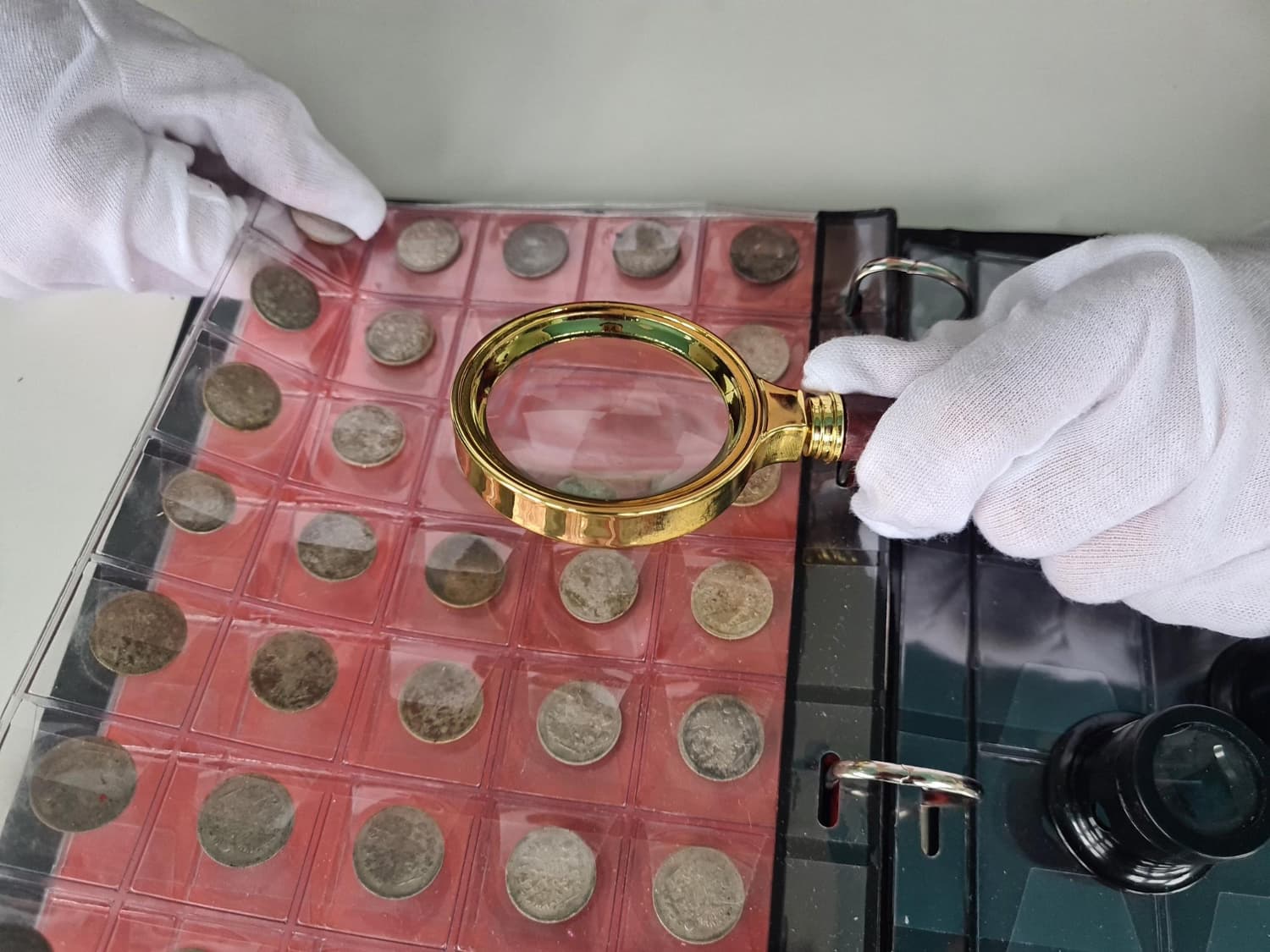
Collectors rarely struggle because they care too little.
They struggle because over time, a collection becomes more than a shelf of items.
It becomes:
- purchase history
- condition notes
- photos
- certificates
- warranty or repair records
- value context
- the story behind how each piece was acquired
And that information usually ends up scattered across folders, emails, spreadsheets, storage bins, and memory.
The real problem is not just storage
It is context.
Most collectors already have some way to list what they own.
What gets lost is everything around the item:
- when it was acquired
- what it cost
- where it came from
- whether it was repaired or restored
- what documents belong to it
- why it matters
That is the information you need when you are reviewing value, deciding what to keep, preparing for insurance, planning a move, or trying to remember the history of a specific piece years later.
A collection is easier to manage when each item has a record
Instead of treating your collection like a generic inventory list, iMaintain gives each item a place for:
- item details and photos
- receipts and proof of purchase
- warranties, manuals, or certificates
- notes about condition, origin, or significance
- repair and maintenance history
- related costs over time
That means the item is not separated from the story that makes it useful later.
What collectors can keep organized
Collectors often need more than a simple catalog.
They need a practical record that grows over time.
With iMaintain, that can include:
- collectibles and high-value items
- tools or specialty equipment used to maintain the collection
- storage location details
- photos of condition over time
- invoices, appraisals, and supporting documents
- notes about restoration, replacement parts, or handling instructions
The goal is not to turn collecting into admin.
It is to make the details easy to find when they matter.
Why this matters in the real world
Collectors run into the same moments over and over:
- “Where did I put the receipt for this?”
- “When did I last have this serviced or restored?”
- “Do I have a warranty or certificate for that item?”
- “What room or storage area is it in right now?”
- “What have I actually spent on this collection over time?”
When the answers are fragmented, decisions get slower and more stressful.
When the record stays with the item, everything gets easier.
Want a simpler way to keep the details together?
If you are tired of juggling photos, receipts, notes, and warranty details across different places, start with the items that matter most.
👉 Explore Belongings & Inventory
A better way to protect the value of what you own
For many collectors, the value is not only financial.
It is also personal, historical, or practical.
That is why the record matters:
- documentation helps with insurance
- photos help with proof and condition tracking
- notes preserve context you will not remember forever
- history helps with maintenance, resale, or estate planning
Keeping that in one organized system reduces the chance that important context disappears over time.
Start with the items that matter most
You do not need to catalog everything in one weekend.
Start with:
- your most valuable items
- the items with the most paperwork
- the items you would struggle to reconstruct from memory
Once those are in one place, the rest becomes much easier to add over time.
A smarter way to keep the story intact
Collectors do not just own items.
They manage details, history, and meaning over time.
If you want a better way to keep that organized, iMaintain gives you one place to connect the item, its documents, its photos, and its story.
If you want to see the product side of this, start here: